Step 01: Understanding Membrane Fouling Mechanisms
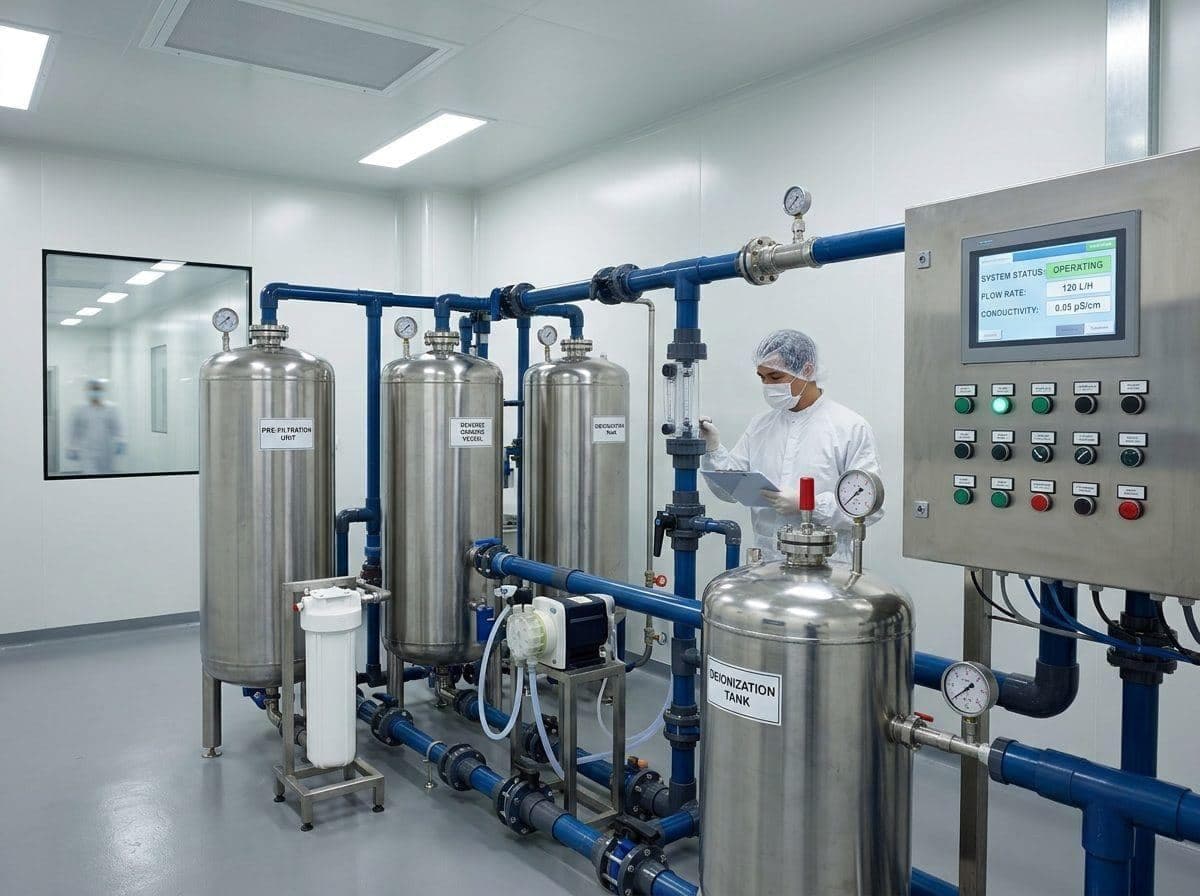
Reverse osmosis membranes represent the technological heart of industrial water purification. Over time, feed water impurities accumulate on the polyamide thin-film composite surface, causing reduced permeate flux and increased electrical conductivity.
Step 02: Four Primary Fouling Classifications
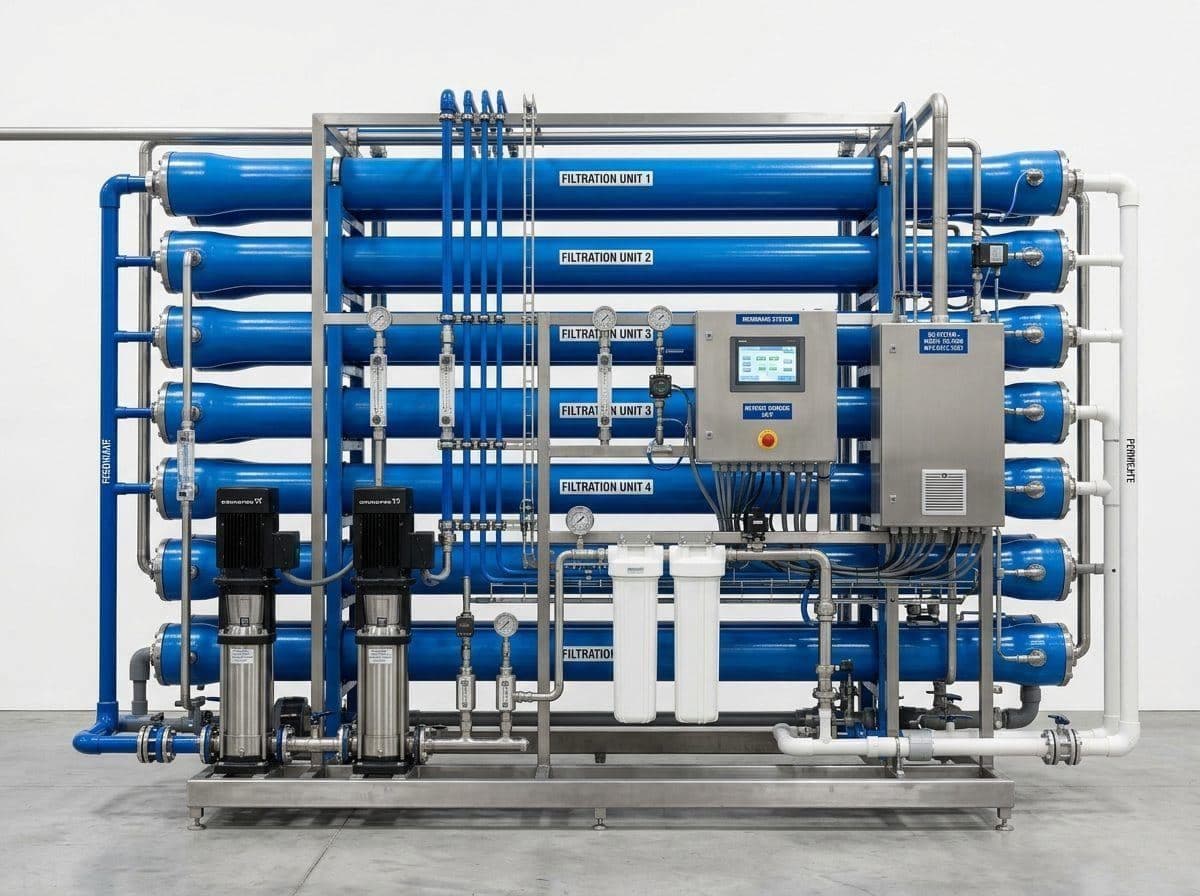
Stainless Steel CIP Skid for High-Pressure Reverse Osmosis Membranes⚙️ Metavel Industries OEM Standard
- ✓Inorganic Scaling: Precipitation of calcium carbonate (CaCO3), calcium sulphate (CaSO4), and silica when solubility limits are exceeded.
- ✓Colloidal & Silt Fouling: Deposition of clay, silt, colloidal silica, and organic macromolecules on the lead elements.
- ✓Biofouling: Formation of bacterial biofilm matrices on the feed spacer and membrane active layer.
- ✓Organic Fouling: Adsorption of naturally occurring organic matter (NOM) and humic acids.
Step 03: Step-by-Step CIP Protocol (Low pH Acid & High pH Alkaline)
| CIP Phase | Chemical Agent | Target Temperature | Primary Target |
|---|---|---|---|
| Phase 1: Acid Cleaning | 0.2% Citric Acid or 0.1% HCl (pH 2.0 - 2.5) | 30°C – 35°C | Dissolves inorganic scale & metal hydroxides |
| Phase 2: Intermediate Flush | RO Permeate Water (Zero Chlorine) | Ambient | Rinses residual acid out of pressure vessels |
| Phase 3: Alkaline Cleaning | 0.1% NaOH + 0.025% Na-EDTA (pH 11.0 - 11.5) | 35°C – 40°C | Disperses bio-film, organic slime & silts |
| Phase 4: Final Permeate Rinse | Pure RO Water Flush until pH stabilizes (6.5-7.5) | Ambient | Restores operating osmotic equilibrium |

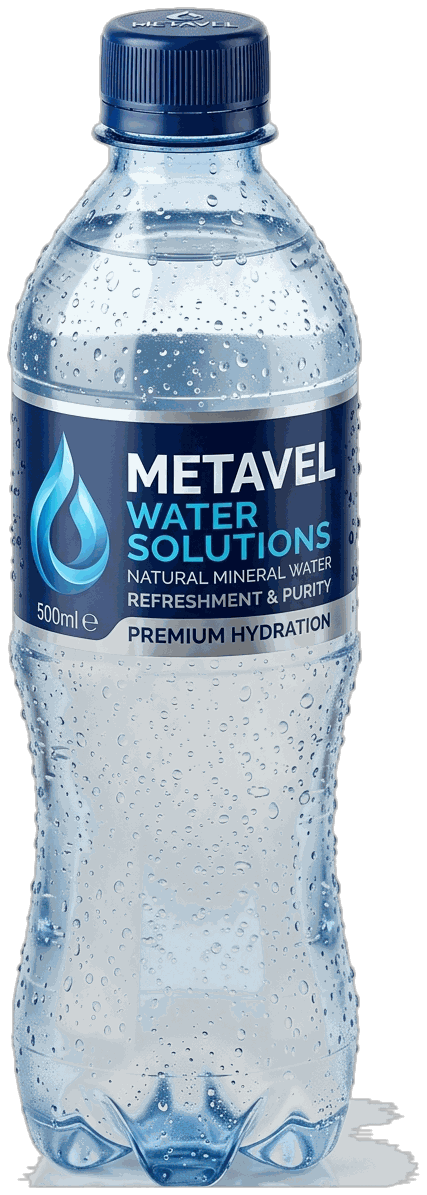 Pure Nature · Mineral Enriched
Purity That Connects Generations
Every Metavel Industries engineered plant delivers untouched, refreshing water that nurtures families, builds trust, and powers sustainable life.
RECOMMENDED MACHINERY FOR THIS PROJECT
View Machinery Specs →